

Superdeterminism, Quantum Entanglement, and Astrology in Numerology
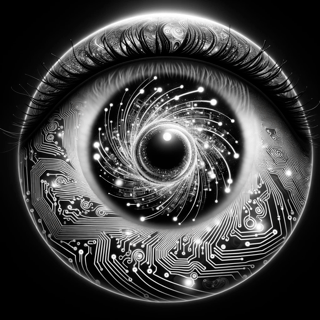
Ever wondered how the universe’s grand design and cosmic patterns might influence our lives? Let’s dive into some intriguing theories that intersect with numerology to explore the nature of reality and our interconnectedness.
Superdeterminism
Theory:
Superdeterminism suggests that all events, including outcomes of quantum experiments, are determined by prior conditions. There’s no true randomness—everything is pre-determined by the universe’s initial state.
Significance in Numerology:
- Deterministic Universe: Numerology operates on the belief that numbers hold intrinsic meanings and influence our lives. Superdeterminism supports this by suggesting our birth dates, names, and resulting numerological patterns are part of a deterministic framework.
- Predictability: If superdeterminism is true, then the patterns and cycles identified in numerology reflect deeper, pre-determined structures of reality. This reinforces the idea that numerology can provide insights into our destiny and life path.
Quantum Entanglement
Theory:
Quantum entanglement is a phenomenon where particles become interconnected in such a way that the state of one particle instantly influences another, regardless of distance. This suggests a fundamental level of connectivity in the universe.
Significance in Numerology:
- Interconnectedness: Numerology emphasizes the interconnectedness of numbers and their meanings. Quantum entanglement mirrors this by illustrating a profound connection between seemingly separate entities, supporting the numerological principle that all things are connected through numerical patterns.
- Synchronicity: Entanglement can be seen as a scientific explanation for synchronicity (meaningful coincidences), a principle in many esoteric traditions, including numerology. It suggests that events are connected by a deeper order or structure.
Astrology
Theory:
Astrology studies the movements and positions of celestial bodies and their supposed influence on human affairs. It posits that the positions of stars and planets at the time of one’s birth shape personality, behavior, and destiny.
Significance in Numerology:
- Cosmic Influence: Both astrology and numerology are based on the idea that cosmic patterns influence human life. Numerology uses birth dates and names to reflect deeper cosmic truths, much like astrology uses celestial patterns.
- Holistic Understanding: Combining numerology with astrology can provide a more holistic understanding of one’s life path and destiny. Both systems aim to decode the cosmic blueprint that governs human experiences.
- Patterns and Cycles: Both rely on identifying patterns and cycles. Numerological cycles (like personal years) and astrological cycles (like planetary transits) are believed to influence and guide an individual’s life journey.
Integration of Numerology with Computer Systems
Categorization and Classification:
- Unique Identifiers:
- Just as numerology assigns unique meanings to numbers, computer systems use unique identifiers like Social Security Numbers, ISBNs for books, and other numeric codes for categorization and classification.
- Algorithms:
- Numerical patterns and algorithms are fundamental in computer systems for organizing, searching, and retrieving data. These patterns ensure efficient handling of large datasets, similar to how numerology identifies patterns to make sense of data.
Government Documents:
- Numbering Systems: Government documents use numbering systems for identification and classification. Case numbers, document IDs, and tax identification numbers help track and manage information systematically.
- Patterns and Codes: Just as numerology uses numbers to reveal hidden patterns, governments use coded numbers to securely store and access sensitive information, ensuring data integrity and confidentiality.
Book Sorting Systems:
- Dewey Decimal System: Libraries use the Dewey Decimal System, assigning numerical values to books based on subject matter. This classification system allows for the orderly arrangement and easy retrieval of books.
- Library of Congress Classification: Another system used in larger libraries, assigning alphanumeric codes to books, akin to numerological methods that categorize information based on numerical values.
Correlation with Colors and Chakras
Numerology and Colors:
- Vibrational Frequencies: Each number in numerology is believed to have a specific vibrational frequency, similar to how colors are associated with different wavelengths of light.
- Color Correspondences: Numbers can be linked with colors based on their vibrational qualities. For instance, number 1 might be associated with red (representing energy and leadership), while number 2 might be linked to blue (symbolizing calm and balance).
Numerology and Chakras:
- Chakra System: In Hindu and yogic traditions, chakras are energy centers in the body, each associated with specific physical, emotional, and spiritual functions. There are seven primary chakras, each linked to a color and certain attributes.
- Numerological Correlations:
- Root Chakra (Muladhara): Number 1 (red) – Grounding, stability.
- Sacral Chakra (Svadhisthana): Number 2 (orange) – Creativity, emotions.
- Solar Plexus Chakra (Manipura): Number 3 (yellow) – Personal power, confidence.
- Heart Chakra (Anahata): Number 4 (green) – Love, compassion.
- Throat Chakra (Vishuddha): Number 5 (blue) – Communication, truth.
- Third Eye Chakra (Ajna): Number 6 (indigo) – Intuition, insight.
- Crown Chakra (Sahasrara): Number 7 (violet) – Spirituality, enlightenment.
Significance of Numerology in Cognitive Function
Memory Associations:
- Pattern Recognition: Numerology relies on recognizing patterns and relationships between numbers. This practice can help train the brain to notice patterns, crucial for memory recall.
- Mnemonic Devices: Using numbers as mnemonic devices can aid in memorizing complex information. Associating numbers with significant personal events or meanings can make it easier to remember sequences or facts.
Recognition and Cognitive Function:
- Visualization: Numerology often involves visualizing numbers and their corresponding meanings. Visualization is a powerful cognitive tool that enhances memory and comprehension.
- Symbolic Thinking: Engaging with the symbolic meanings of numbers can stimulate the brain’s capacity for abstract thinking and problem-solving, enhancing cognitive function.
Learning and Retention:
- Structured Learning: Numerology provides a structured way of understanding information through step-by-step calculations and interpretations, improving learning and retention.
- Repetition and Reinforcement: The practice of repeatedly calculating and interpreting numerological values reinforces memory through repetition, a well-known technique for improving retention.
Mental Exercises:
- Brain Training: Numerology often involves performing mental calculations, enhancing arithmetic skills and cognitive agility.
- Logical Reasoning: Interpreting numerological patterns requires logical reasoning and critical thinking, essential components of cognitive function.
Emotional and Psychological Benefits:
- Stress Reduction: The meditative and focused nature of numerological practices can reduce stress and anxiety, leading to better cognitive performance.
- Positive Reinforcement: Understanding positive numerological interpretations can boost self-esteem and motivation, crucial for effective learning and memory.
Practical Applications
- Educational Tools:
- Numerology can be integrated into educational tools and apps to make learning more engaging and effective. For example, games involving numerological calculations can make arithmetic practice more enjoyable.
- Memory Techniques:
- Chunking: Breaking down large amounts of information into smaller, manageable chunks is a common memory technique. Numerology naturally involves chunking numbers and concepts, aiding in memory retention.
- Association: Associating numbers with personal meanings or stories can create strong memory anchors. For example, remembering that the number 7 is associated with spiritual growth can help recall related information.
- Cognitive Therapy:
- Therapeutic Interventions: Numerology can be used in cognitive therapy to help individuals explore and understand their thought patterns and behaviors through the lens of numbers. This can be particularly useful in identifying and addressing cognitive distortions.
- Personal Development:
- Goal Setting: Numerology can aid in setting and achieving personal goals by providing insights into optimal times for action based on numerological cycles. This structured approach can improve focus and cognitive clarity.
Conclusion
Numerology, through its focus on patterns, symbolism, and structured calculations, can significantly enhance memory associations, recognition, and cognitive function. By incorporating numerological practices into educational and therapeutic contexts, individuals can benefit from improved memory, reduced stress, and enhanced cognitive abilities. This holistic approach bridges the gap between ancient wisdom and modern cognitive science, offering practical tools for personal development and mental well-being.
Integrating numerology with the classification systems used in computer science and data management enhances our ability to categorize and make sense of vast amounts of information. By understanding the correlations with colors and chakras, numerology can also contribute to holistic healing and personal growth, bridging ancient wisdom with modern technology.

 ȦtmȧLuminȧ
Leave a comment